“Healthcare and pharma GCCs are increasingly looking for biomedical engineers, embedded architects, cloud engineers, data scientists clinical, cybersecurity, and regulatory experts”
October 23, 2026 | Friday | Views
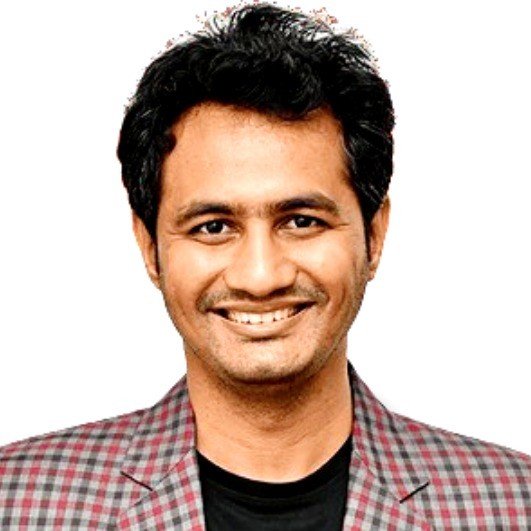
Healthcare Global Capability Centres (GCCs) are moving beyond traditional priorities such as talent and cost optimisation, towards building domain-led, technology-enabled centres that contribute to innovation, product development and global business outcomes. Amidst this scenarion, JoulestoWatts (J2W), a leading AI-native GCC enabler for the Fortune 1000 and the category leader in India's Brownfield GCC opportunity, has spent the last decade building, scaling, and transforming GCCs for some of the world's leading enterprises and today operates across eight countries, has served more than 330 GCCs, deploys over 5,500 experts, and offers 60+ AI-enabled capabilities. During an exclusive chat with BioSpectrum India, Priti Sawant, Founder & CEO at JoulestoWatts shares more details on what the future of their growth and transformation looks like.
How has the demand from healthcare and pharma GCCs changed over the last 3–5 years in India?
Over the last three to five years, demand from healthcare and pharma GCCs in India has evolved significantly, with a clear shift from traditional support functions towards specialised, knowledge-driven and technology-led operations. Earlier, these centres largely focused on IT support, finance, HR and back-office operations. Today, they are increasingly taking on strategic responsibilities across clinical data management, pharmacovigilance, regulatory affairs, research and development, and digital health.
The growing adoption of AI, automation, cloud and advanced analytics is further reshaping hiring priorities. At JoulestoWatts, we see this evolution reflecting a broader shift in the role of GCCs in India from cost-efficient delivery centres to strategic innovation and capability hubs. Going forward, the ability to build specialised talent pipelines, invest in continuous upskilling and develop leadership capabilities locally will be critical to sustaining this growth.
Which advanced skills are healthcare and pharma GCCs increasingly looking to build, such as computational biology, drug discovery, molecular modelling and clinical analytics?
Computational biology, AI-assisted drug discovery, molecular modelling and clinical analytics have gone from specialist niche to genuine hiring emergency in a very short window. Industry hiring research from this year puts the number starkly; as per an EY 2026 Pharma report more than 80% of pharma companies now report shortages specifically in clinical research, AI-powered discovery, regulatory science and computational biology, and some projections suggest nearly a third of all drug discovery roles could be AI-driven by FY2027.
The fact is that pure coding ability has stopped being the differentiator it once was, and what’s genuinely scarce now- what employers are paying a real premium for- is people who can hold domain depth and AI fluency in the same hand.
There is also a growing need for professionals skilled in real-world evidence, regulatory data management, pharmacovigilance and the application of AI and machine learning to clinical research. As these functions become more technology-intensive, the ability to combine domain knowledge with advanced analytics and digital skills is becoming a key differentiator.
What new technology and specialist roles are healthcare/pharma GCCs looking to build today that were relatively uncommon 3–5 years ago?
We are seeing healthcare and pharma GCCs increasingly look for specialised talent such as biomedical engineers, embedded architects, cloud engineers, data scientists, clinical, cybersecurity, and regulatory experts. KPMG’s 2026 research highlights these areas as part of the sector’s shift towards more advanced R&D, clinical development and AI-led operations. It also projects India’s healthcare and life sciences GCCs to grow from 160 centres in 2025 to over 200 by 2030, employing more than 3.5 lakh professionals.
From a talent perspective, we are seeing the need for professionals who bring together pharmaceutical domain knowledge and skills in AI, data science and regulatory compliance. As highlighted in our industry analysis, 23 of the world’s top 50 life sciences companies established GCCs in India over the preceding five years. As these centres take on more innovation-led work, the demand for talent that can bridge healthcare expertise and technology is growing.
What is J2W seeing regarding how healthcare organisations are building AI capabilities while addressing patient data and security requirements?
J2W sees significant opportunities for healthcare organisations to build AI capabilities across India’s established GCC hubs, which, along with tier-1 cities, also focus on emerging locations like Mysuru, Mangaluru and Coimbatore. As India’s GCC ecosystem expands, organisations can leverage these locations to access specialised talent and scale capabilities in clinical analytics, research and digital health. However, AI adoption must go hand in hand with robust patient data protection, cybersecurity and regulatory compliance. Investing in secure infrastructure, responsible AI frameworks and domain-specific talent will be critical to enabling innovation while safeguarding sensitive patient information.
Further, with India’s Digital Personal Data Protection (DPDP) Act and Rules setting clearer expectations around consent, data security and accountability, healthcare organisations will need to be more mindful of how patient data is collected, stored and used in AI applications. Going forward, we see a growing need for stronger data governance, privacy-by-design and responsible AI practices, supported by specialists who understand both healthcare requirements and evolving regulations.
How are healthcare and pharma GCCs moving into higher-value R&D, analytics, product development and global innovation functions?
Healthcare and pharma GCCs are increasingly taking on greater responsibility for R&D, clinical analytics, product development and global innovation, with a growing focus on owning outcomes rather than simply executing tasks. As mentioned in KPMG’s 2026 research, these centres are building capabilities in areas such as AI-driven drug discovery, clinical trial analytics and digital regulatory management.
From JoulestoWatts perspective, this shift requires enterprises to build the right combination of specialised talent, deep domain expertise, AI-led capabilities and strong governance. GCCs must also establish closer alignment with global teams and take greater accountability for deliverables, innovation and business decisions. By aligning talent strategy with evolving business needs and strengthening end-to-end ownership, India’s healthcare and pharma GCCs can move beyond service delivery to become integral contributors to global R&D and innovation.
What are the current challenges facing the growth of healthcare and pharma GCCs in India, and how can those be addressed?
The key challenges facing healthcare and pharma GCCs in India include access to specialised talent, evolving data protection requirements and the need to demonstrate greater business value. Organisations increasingly need professionals who combine healthcare domain expertise with technology and AI capabilities, making continuous upskilling essential. At the same time, navigating data privacy and regulatory requirements across markets such as the US, Europe and India calls for strong governance frameworks.
Another priority is moving beyond traditional service delivery and cost efficiencies towards greater ownership of R&D, product development and global innovation. Addressing this requires closer collaboration with global leadership, investment in specialised capabilities and a shift towards measuring success through innovation, research productivity and tangible business outcomes. This will help position India’s healthcare and pharma GCCs as strategic contributors to global growth.
What are your views on the growing concept of micro and nano GCCs across the globe, and in India?
Micro and nano GCCs reflect an important shift in how global organisations are approaching their India strategy. Instead of building large centres from the outset, companies can establish smaller, specialised teams focused on specific capabilities, such as AI, engineering, product development, analytics or R&D, and scale them as business needs evolve.
At JoulestoWatts, we see this as part of a broader move towards more agile and outcome-driven GCC models. Smaller centres can help organisations enter new markets, access niche talent and establish capabilities faster, without the initial investment required for a large-scale setup. India's expanding talent ecosystem beyond traditional metros also creates opportunities for these models to grow in Tier-2 cities.
However, the success of micro and nano GCCs will depend on more than their size. Organisations need a clear business mandate, access to specialised talent, strong integration with global teams and the ability to scale capabilities as requirements change. The opportunity lies in building centres around specific business outcomes rather than headcount. As GCCs evolve, we expect greater diversity in their operating models, with smaller, specialised centres complementing larger innovation hubs across India.