Understanding Lung Diseases as a Growing Healthcare Business Priority
November 09, 2026 | Monday | Reports/white papers
Respiratory health is becoming an increasingly significant concern for healthcare systems, pharmaceutical companies, and medical technology developers
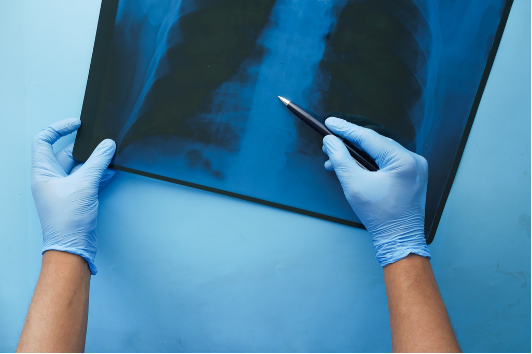
Photo courtesy of Pexels
From chronic conditions requiring lifelong management to infections demanding timely intervention, lung diseases create sustained demand for diagnostics, therapeutics, and specialized care. Understanding their diversity is essential not only for clinicians but also for organizations shaping the future of respiratory healthcare.
A Diverse Spectrum of Respiratory Conditions
Lung diseases encompass a broad range of conditions affecting breathing, oxygen exchange, and pulmonary function. Asthma, chronic obstructive pulmonary disease (COPD), pneumonia, pulmonary fibrosis, tuberculosis, and lung cancer represent distinct challenges in diagnosis and treatment.
Their differences matter both commercially and clinically. Asthma and COPD frequently require long-term medication and monitoring, while pneumonia and tuberculosis involve infectious disease management.
Pulmonary fibrosis presents complex diagnostic and therapeutic challenges, and lung cancer requires specialized imaging, pathology, and oncology infrastructure. Recognizing these distinctions helps healthcare providers develop appropriate patient pathways and enables industry stakeholders to identify unmet clinical needs.
Respiratory Disease and India's Healthcare Market
India's respiratory disease burden has implications extending beyond individual hospitals. According to a 2024 BioSpectrum report citing an SMSRC prescription audit, respiratory diseases accounted for 15.3% of prescriptions across disease categories, making them the largest disease area in the dataset. The analysis incorporated aggregated prescription information from more than 10,700 doctors across over 80 cities and towns.
The report also identified upper respiratory tract infections as the largest respiratory category, representing 27% of respiratory prescriptions in 2024. Meanwhile, COPD and certain upper respiratory conditions demonstrated comparatively faster growth over the preceding decade.
These findings illustrate the scale of demand facing respiratory-care providers, although prescription shares should not be interpreted as population prevalence.
Diagnosis as an Innovation Opportunity
Respiratory diseases can share symptoms, including breathlessness, persistent coughing, chest discomfort, and fatigue. Consequently, distinguishing between conditions often requires clinical assessment supported by imaging, pulmonary function testing, laboratory investigations, and molecular diagnostics.
This creates opportunities for diagnostic innovation. Spirometry remains important in evaluating airflow obstruction, while molecular testing can support the identification of infectious pathogens. Advances in imaging analysis and artificial intelligence may further assist clinical interpretation, provided technologies are appropriately validated.
For healthcare businesses, improving diagnostic accessibility and accuracy can strengthen care delivery while addressing persistent gaps in early identification.
The Importance of Disease Awareness
Clear communication about lung disease names and their defining characteristics can help patients recognize when symptoms warrant medical attention. Awareness initiatives are particularly valuable when persistent respiratory symptoms are dismissed as temporary infections, environmental irritation, or ordinary aging.
Public education also supports more informed conversations between patients and healthcare professionals. It should complement, rather than replace, professional diagnosis and evidence-based treatment.
Building the Future of Respiratory Care
The future of respiratory healthcare will depend on coordinated progress across prevention, diagnostics, treatment, and patient support. Pharmaceutical research, affordable medical technologies, digital monitoring, and stronger healthcare infrastructure each have a role to play.
For businesses operating within India's life sciences ecosystem, respiratory conditions represent both a substantial healthcare responsibility and an opportunity to develop solutions around genuine clinical needs. The most meaningful progress will emerge when innovation translates into earlier diagnosis, accessible treatment, and improved outcomes for patients living with lung disease.
Endnote
Respiratory healthcare is an interconnected ecosystem involving clinicians, diagnostic laboratories, pharmaceutical manufacturers, medical device developers, and public health institutions. As disease patterns evolve, collaboration across these sectors will be essential to expanding access to effective respiratory care and strengthening India's healthcare capacity.