India's medical devices industry to reach $250 B by 2047: FICCI-DUA Associates Consulting Report
August 07, 2026 | Friday | News
Report advocates for the widespread adoption of digital technologies
image credit- pib
According to the whitepaper titled 'Service and Maintenance of Medical Devices in Indian Healthcare – Towards a Safe, Reliable, and Sustainable Medical Device Maintenance Ecosystem' released by FICI-Dua Associates Consulting, India's medical devices industry is expected to emerge as a global force by 2047 with an estimated market size of $250 billion.
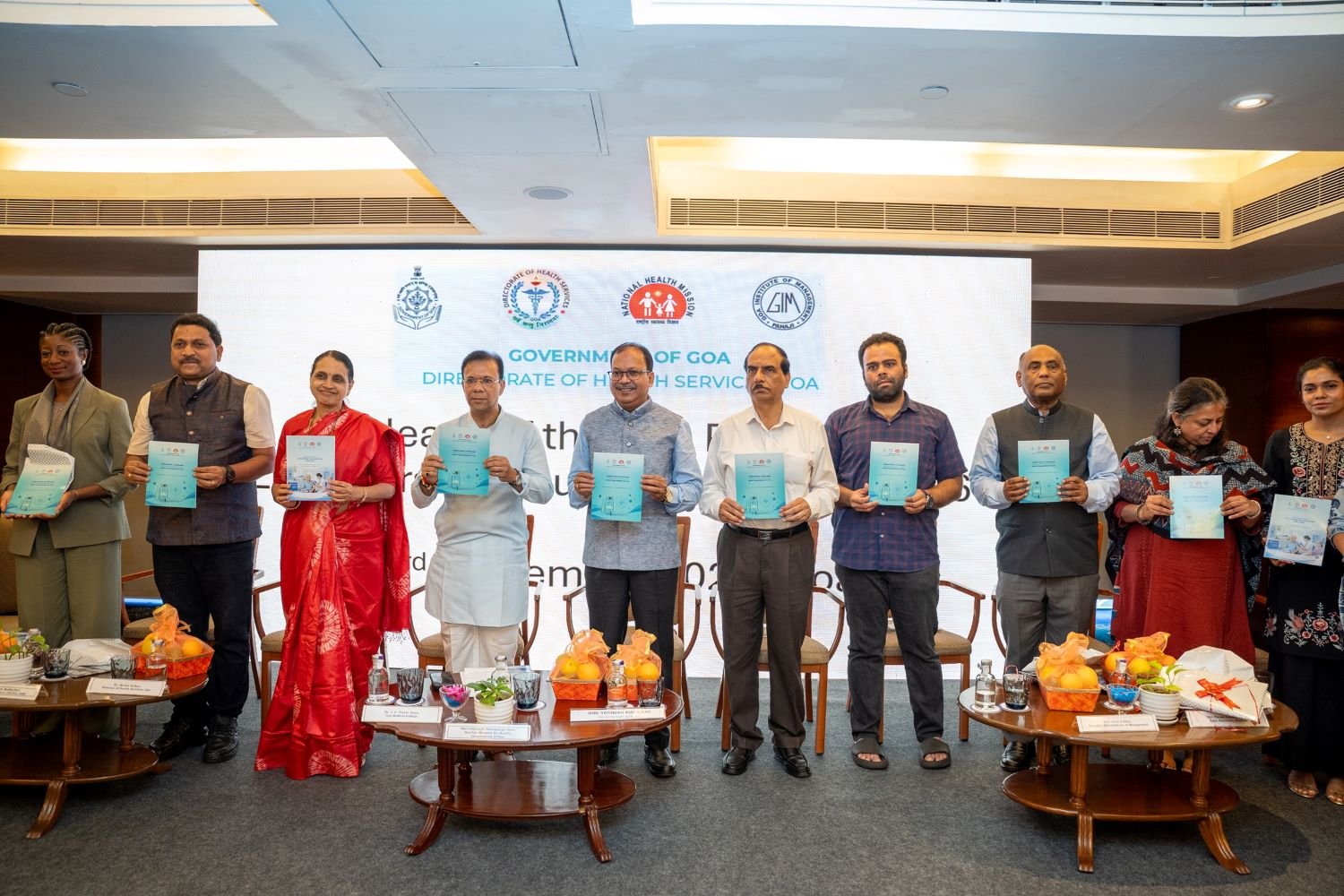
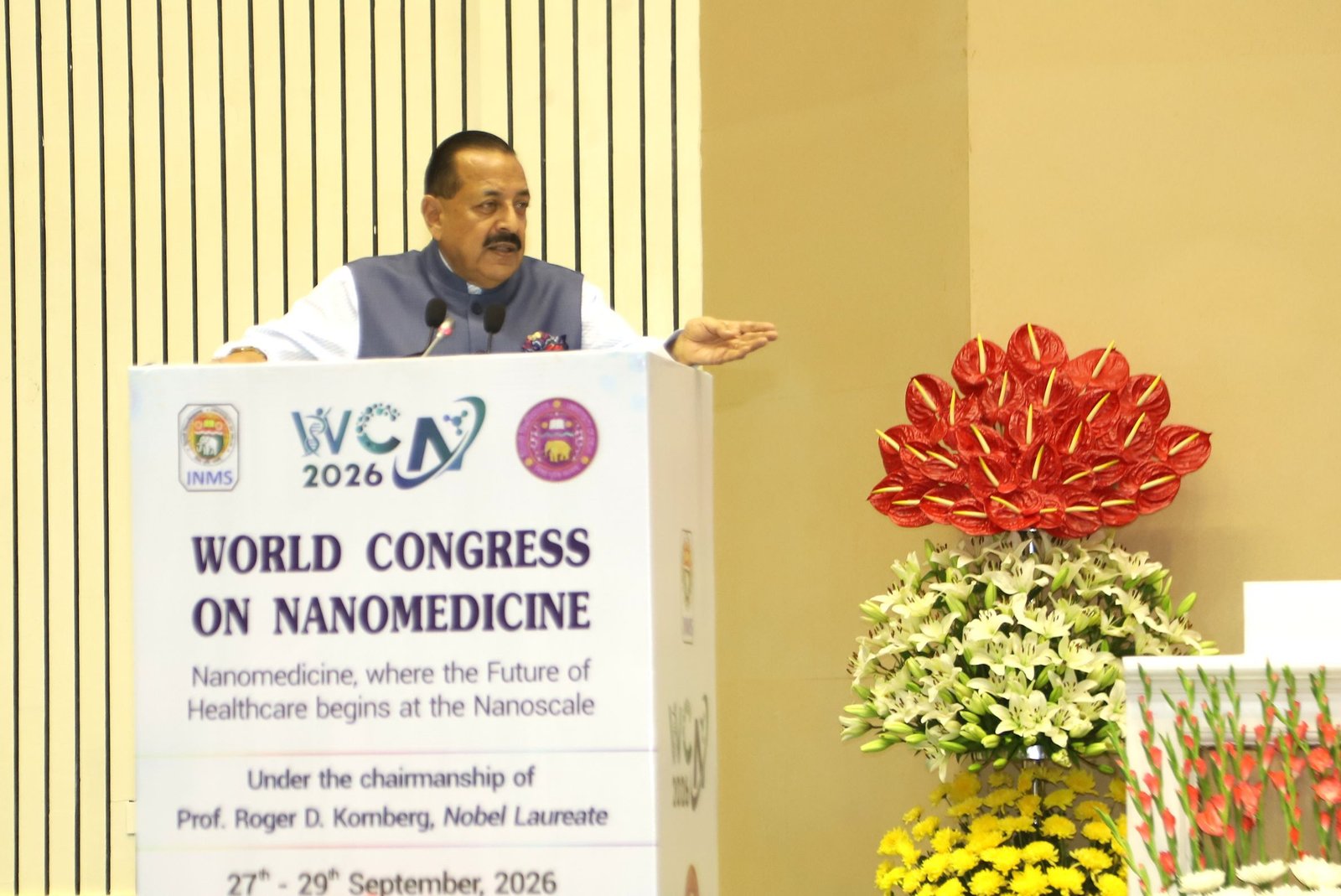
The white paper released during the inaugural session of the 9th 'India Medical Device 2026' organised by the Department of Pharmaceuticals in association with FICCI (FICCI) states that India's medical devices sector, which is currently valued at around $14 billion, is projected to reach $30-50 billion within this decade and is likely to reach $250 billion by 2047.
Increasing demand for healthcare, increased adoption of advanced medical technologies, government support for indigenous manufacturing, and the country's ambition to become a global MedTech hub will drive this rapid growth, it said.
According to the white paper, India has made significant progress through initiatives such as the Production-Linked Incentive (PLI) scheme and the Medical Devices Industry Strengthening Scheme, which has enhanced domestic manufacturing capabilities and improved India's global competitiveness. However, the report emphasises that the sustained growth of this sector will depend not only on manufacturing but also on building a world-class ecosystem for servicing, maintenance, calibration, and lifecycle management of medical devices.
According to the report, proper maintenance improves patient safety, increases diagnostic effectiveness, reduces the unusability of equipment, extends their lifespan, and maximizes the benefits of investments made in healthcare.
To address these problems, the White Paper proposes a risk-level hybrid maintenance framework based on the Equipment Classification System of the Central Drugs Standard Control Organisation (CDSCO). It includes recommendations such as maintenance protocols based on equipment risk categories, creation of a national certification framework for service engineers, strengthening technical training, encouraging commercial model innovation and rationalizing the fiscal framework to promote compliant maintenance systems.
The report also advocates for the widespread adoption of digital technologies, including predictive maintenance, digital monitoring, and lifecycle management systems, to improve equipment reliability and reduce downtime.