Shaping the future of Indian Diagnostics: Key Takeaways from the ADMI 2026 AGM
September 23, 2026 | Wednesday | News
Addressing the current challenges and future trajectories of the Indian diagnostics market
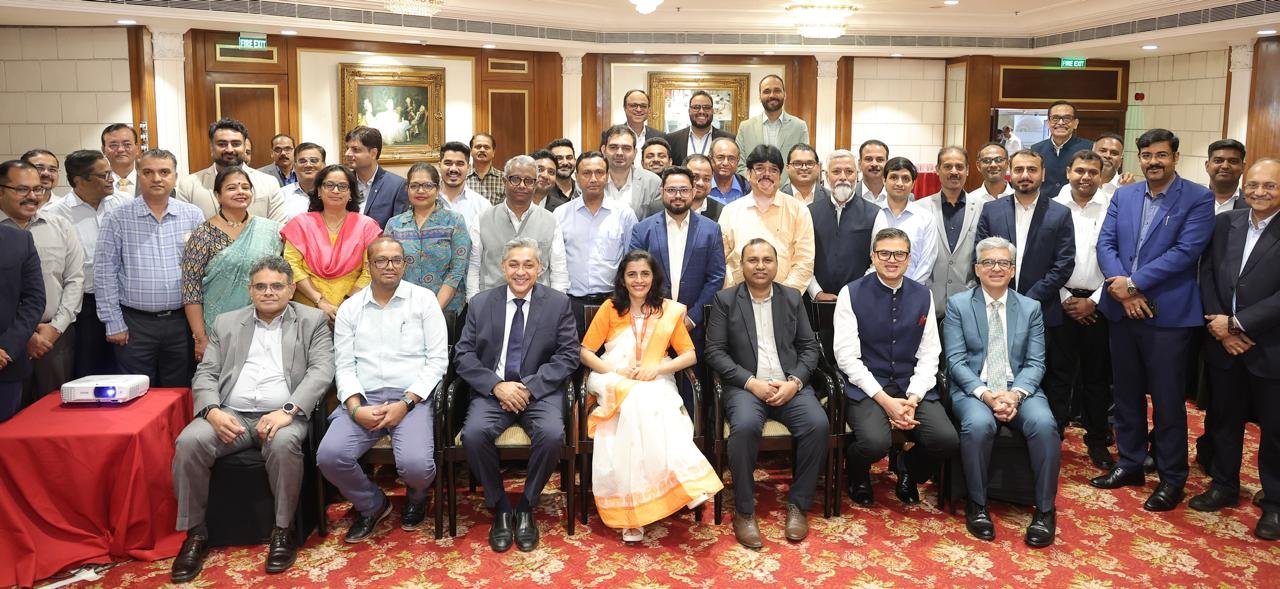
The Association of Diagnostic Manufacturers of India (ADMI) successfully concluded its highly anticipated Annual General Meeting (AGM) on August 20, 2026, at the REGAL Conference Hall, Hotel The Royal Plaza, New Delhi.
The event served as a critical platform for knowledge exchange and a strategic review of the Indian In Vitro Diagnostics (IVD) sector, bringing together key stakeholders from government, regulatory bodies, academia, and the manufacturing industry.
During the opening address, Jatin Mahajan, President, ADMI emphasised the critical nature of the industry, noting that 70% of clinical decisions depend on diagnostic tests, making quality and reliability paramount. He officially welcomed the newly elected Secretary, Nital Patel, and Joint Secretary, Prakash Rana, and stressed the necessity of collaboration to reduce import dependence and drive innovation.
The AGM featured several pivotal sessions addressing the current challenges and future trajectories of the Indian diagnostics market:
Government & Regulatory Alignment: Aman Sharma, Joint Secretary DoP, highlighted government concerns regarding the 70-80% import dependence on IVD products and suggested focusing on individual-use devices to gain a market edge. He also stressed the need to change the current L1 (lowest bidder) public procurement system, advocating for a sustainable pricing model that rewards innovators. Additionally, Pramod Meshram, Deputy Drugs Controller at CDSCO, urged IVD manufacturers to seek MD 40 status for testing laboratories and raised concerns over the low rate of adverse event reporting for Class C and D medical devices.
ICMR Initiatives and Technology Transfer: Dr Suchita Markan detailed ICMR’s shift toward translating research into commercial products. She announced a non-exclusive, zero-upfront-fee technology transfer model with a 2% royalty on profits, noting that over 78 technologies have already been transferred. Furthermore, she highlighted a Rs 50-crore QMS-compliant manufacturing facility at IIT Delhi designed to help startups produce pre clinical validation test batches.
Academia-Industry Collaboration & Automation: Dr Ravikrishnan Elangovan, IIT, Delhi discussed the paradigm shift in academia toward knowledge application and the development of lab-on-a-chip and microfluidic technologies. These innovations enable rapid, point-of-care diagnostics using very small sample volumes (microliters to nanoliters) for multiplexed assays. To combat the commoditisation of rapid test kits, he advocated for the localisation of raw materials and replacing slow, manual processes with automated “reel-to-reel” machines for dispensing, lamination, and assembly.
Private Equity and Sustainable Financial Growth: Thomas John shared his extensive experience with private equity, warning family-owned businesses to be prepared for equity dilution. He outlined five pillars of sustainable growth: profitable growth, corporate governance, scalable business models, mandatory digital systems like ERP/CRM, and a strong culture of R&D. He strongly advised against structured finance due to high interest rates and emphasized choosing investors based on strategic fit.
Advocacy and Community Expansion: The ADMI Secretary Report reviewed recent advocacy efforts, including nine representations regarding GST rationalisation and modifications to the PLI scheme. The association is also working to align testing with WHO PQ standards to resolve bottlenecks with NIB reports for global markets. Looking ahead, ADMI proposed organizing an exclusive pavilion with standard cubicles at upcoming exhibitions like Medica and CACLP to significantly reduce participation costs for its members.