India’s validated HPV test to offer cervical cancer screening model for low-resource countries
June 12, 2026 | Friday | News
Truenat HPV-HR Plus meets WHO-IARC validation criteria in landmark multicentre study
India has achieved a significant milestone in cervical cancer prevention with the successful validation of the country's first indigenous HPV DNA tests which meet international standards for cervical cancer screening.
Published in the International Journal of Cancer, a multicentre study involving leading Indian and international institutions found that Molbio Diagnostics' Truenat HPV-HR Plus met the validation criteria established by the International Agency for Research on Cancer (IARC), the specialised cancer research agency of the World Health Organization (WHO).
Cervical cancer remains one of the leading causes of cancer-related deaths among Indian women. The World Health Organization recommends HPV DNA testing as the preferred screening approach for cervical cancer because of its higher sensitivity in detecting high-risk HPV infections compared with conventional cytology-based methods such as the Pap smear.
The validation comes at a crucial time for India's cervical cancer elimination efforts, as the country expands HPV vaccination and strengthens screening programmes for women above 30 years of age.
Importantly, the study marks the world's first formal validation of a reduced-valency HPV test— one that deliberately targets only the eight most cancer-causing strains rather than the usual 14 — setting a global scientific benchmark for evaluating this new class of affordable, point-of-care screening tools.
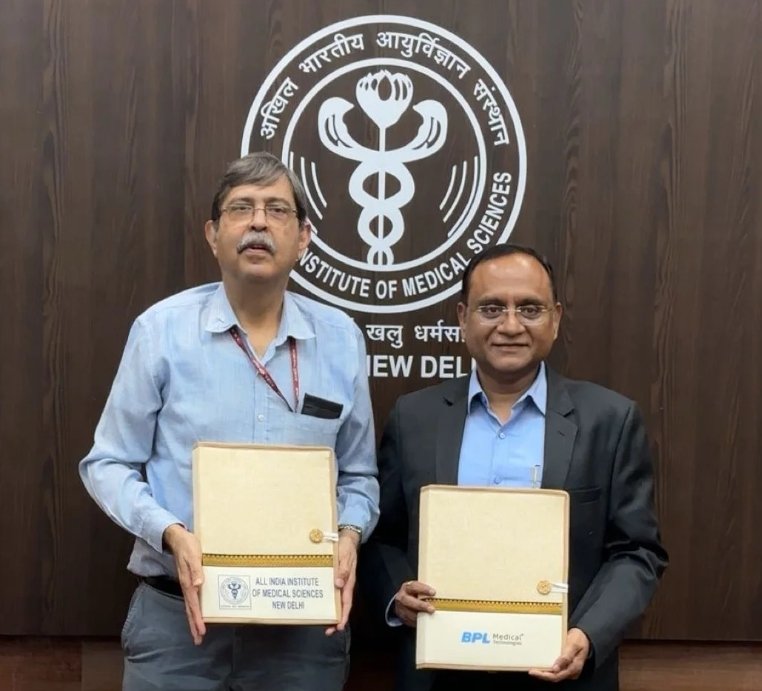
The study was conducted through collaboration between leading Indian and international institutions, including AIIMS New Delhi, ICMR-National Institute of Cancer Prevention and Research, ICMR-National Institute for Research in Reproductive and Child Health, the International Agency for Research on Cancer, France, and the Biotechnology Industry Research Assistance Council under the Department of Biotechnology, Government of India.
By narrowing its targets to 8 high-risk types, the assay avoids detecting transient, low-risk infections that 14-valent tests often detect. It successfully maintained an exceptional relative clinical specificity (0.99), demonstrating its potential to drastically reduce unnecessary secondary referrals, costly over-triage, and patient anxiety. This targeted approach offers a highly sustainable model for primary cervical cancer screening, particularly within low- and middle-income countries where optimising limited healthcare resources is paramount.