Only 7 of 35 GLP-1 brands gain ground in May as market enters consolidation phase: Sheetal Sapale
June 13, 2026 | Saturday | News
Among the key gainers, Novo Nordisk's Ozempic recorded a 27 per cent increase in monthly volumes
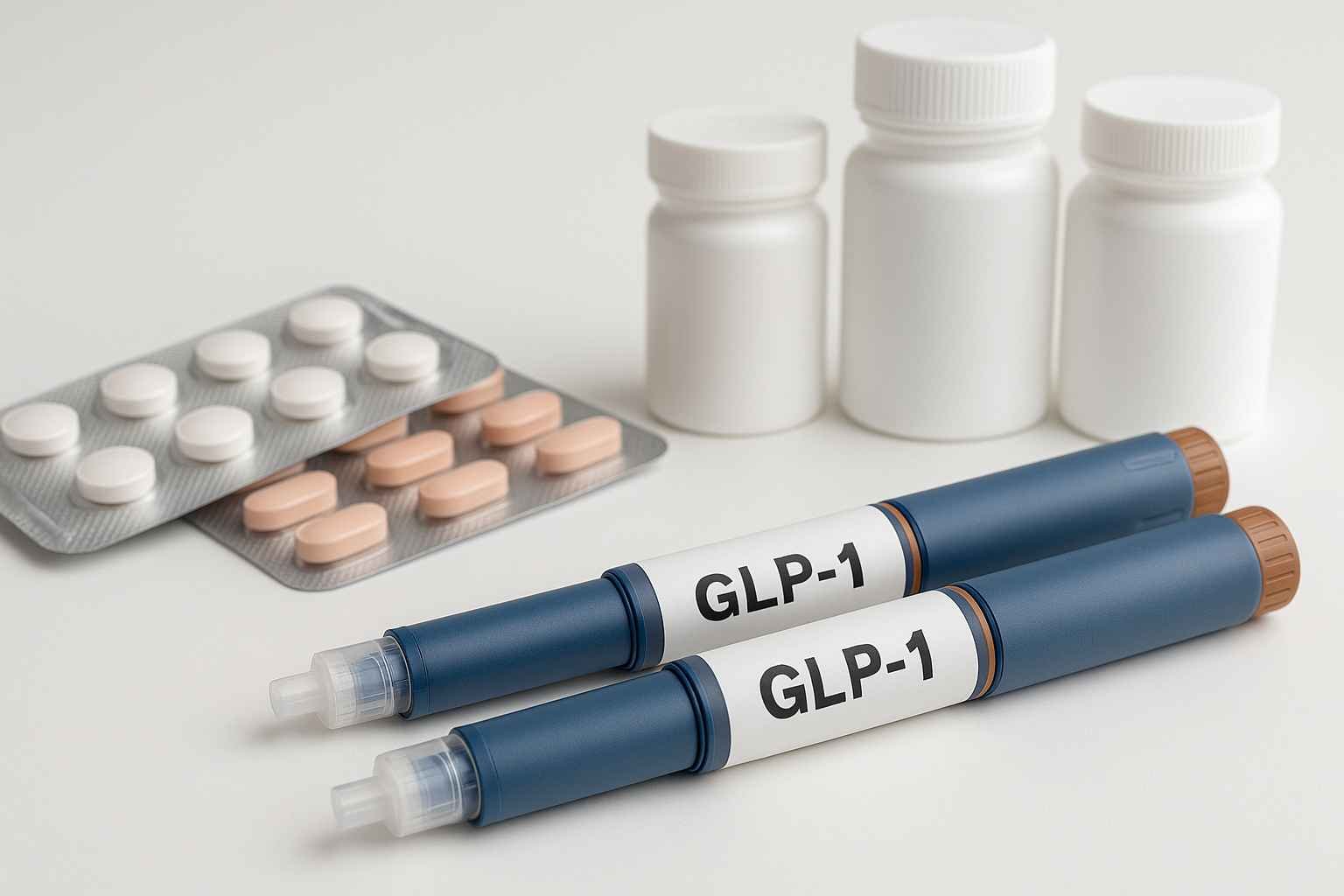
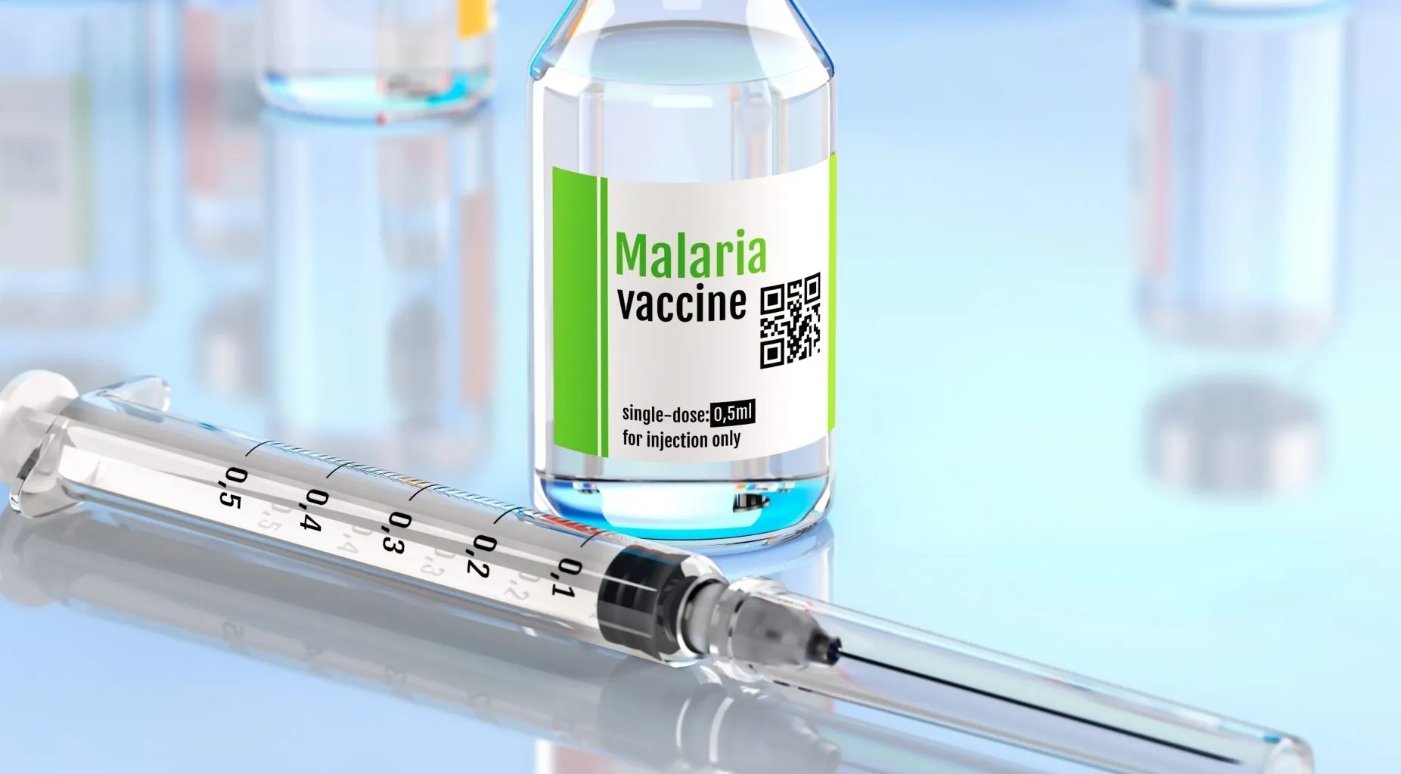
image credit- freepik
The Indian GLP-1 market is entering a phase of consolidation, with only a limited number of brands sustaining strong month-on-month growth despite the category's rapid expansion over the past year. According to Pharmarack data for May 2026, the GLP-1 market currently comprises 35 brands marketed by 17 pharmaceutical companies. However, only seven brands demonstrated a clear upward trend in May 2026 compared to April 2026, indicating that growth is becoming increasingly concentrated among select players.
Among the key gainers, Novo Nordisk's Ozempic recorded a 27 per cent increase in monthly volumes, rising from 12,000 units in April to 16,000 units in May. Eris Lifesciences' Sundae grew 29 per cent to 27,000 units during the same period. Sun Pharma emerged as one of the strongest performers in the category, with Noveltreat posting a 124 per cent jump in volumes from 7,000 units to 15,000 units, while Sematrinity expanded 66 per cent from 5,000 units to 7,000 units.
Alkem's Hepaglide registered a 20 per cent increase in volumes to 8,000 units in May. In the oral Semaglutide segment, Torrent Pharmaceuticals' Semalix grew 19 per cent to 33,000 units, while Sembolic recorded a 32 per cent increase to 26,000 units. The performance suggests that while affordability-led generic launches have significantly expanded the GLP-1 category, growth is no longer broad-based across all brands. Several products have begun witnessing slower traction, pointing towards a more competitive and selective market environment.
Commenting on the trend, Sheetal Sapale, Vice President – Commercial, Pharmarack Technologies, said, "The May 2026 data indicates that the Indian GLP-1 market is entering a consolidation phase. While the category continues to expand, only 7 of the 35 brands currently marketed by 17 companies showed a clear upward trend in May over April. This suggests that the market is moving beyond the initial launch-driven phase of generic expansion, with growth increasingly concentrated among brands that are able to differentiate themselves through physician confidence, patient retention and stronger market execution. At the same time, the continued positive traction seen in leading brands across both Tirzepatide and Semaglutide segments reflects sustained demand for evidence-backed therapies."
Narayan Kulkarni
Narayan.Kulkarni@mmactiv.com