Scientists at IISc suggest combining antibiotics to tackle drug-resistant TB
November 17, 2026 | Tuesday | News
A strategy to restore the effectiveness of isoniazid – by combining it with another antibiotic, vancomycin
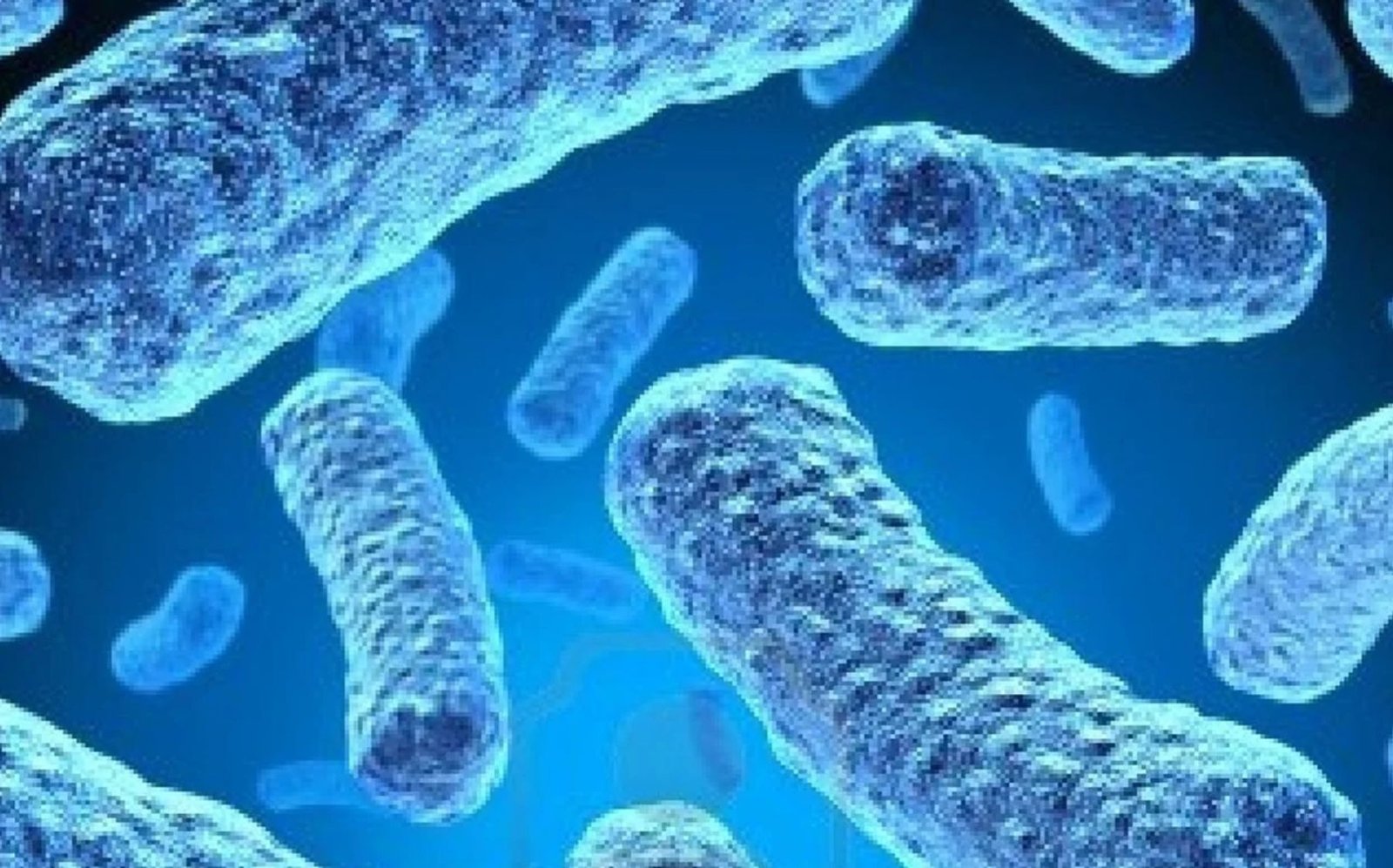
image credit- freepik
Tuberculosis (TB), caused by the bacterium Mycobacterium tuberculosis, continues to remain one of the world’s most persistent health challenges. What’s particularly alarming is the bacterium’s growing resistance to isoniazid, the frontline drug used to treat the disease.
Researchers at the Department of Biochemistry, Indian Institute of Science (IISc), Bengaluru, have now identified a strategy to restore the effectiveness of isoniazid – by combining it with another antibiotic, vancomycin. They found that this combination can reverse isoniazid resistance in clinical isolates of M. tuberculosis and reduce bacterial burden in a mouse model.
The researchers tested the combination of isoniazid and vancomycin against clinical isolates of M. tuberculosis obtained from patient sputum samples with drug-resistant TB, in collaboration with the National Tuberculosis Institute, Bengaluru. The isolates showed a broad range of isoniazid resistance, which allowed the researchers to test the combination against various resistance mechanisms.
The team is currently working to advance this combination for clinical trials. “Before the combination can be considered for use in patients, its safety and efficacy need to be studied much more extensively. Clinical trials need to be conducted on drug-resistant TB cases", said the researchers.