NIT Rourkela secures patent for advanced Bio-Ink for 3D Printing of tissue-like structures
April 20, 2026 | Monday | News
Bio-ink can be effectively used in bone and cartilage repairing
image credit- freepik
A research team at the National Institute of Technology (NIT) Rourkela has developed a novel bio-ink that can be used in 3D bioprinting and tissue engineering. Bio-inks are materials used in 3D bioprinting to fabricate tissue-like structures.
However, due to lack of bio-inks that combine mechanical strength, biological compatibility, and printability, broad usage of this technology remains limited.
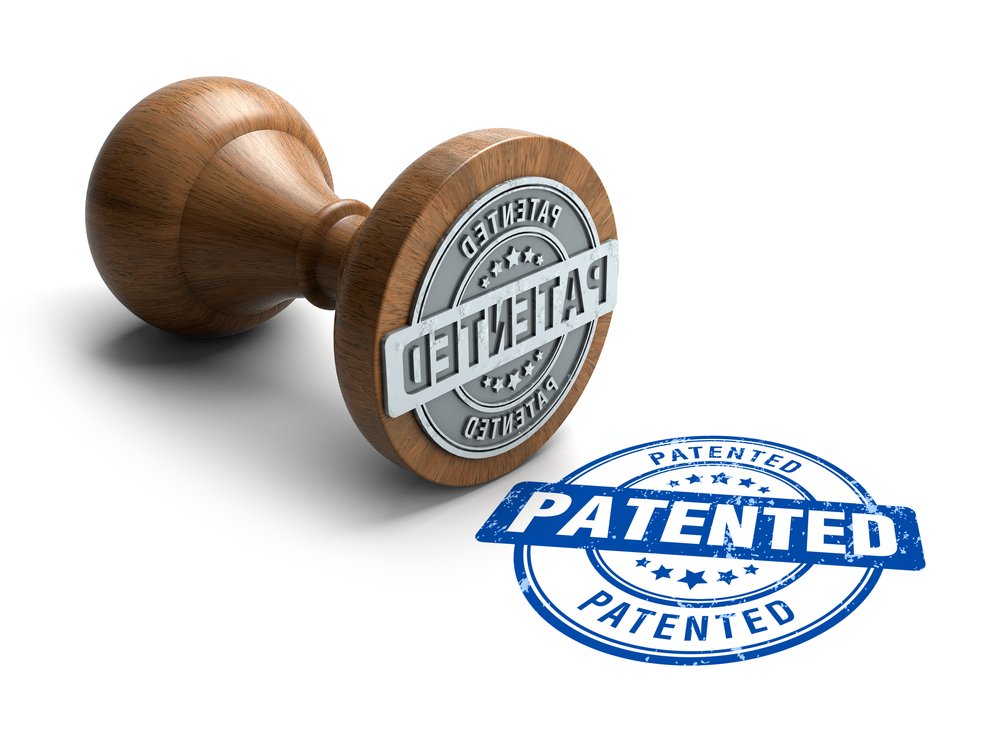
The research team has also secured a patent titled, “A High Shape-Fidelity Protein-Polysaccharide Composite Bioink for 3D Bioprinting” for the developed technology.
To achieve desired results, the research team combined Bovine Serum Albumin (BSA), Sodium Alginate, and Polyelectrolyte complexes of gelatin and chitosan (PEC-GC). The blend created a bioactive system that supported cell growth while maintaining structural fidelity during and after the printing process.
On lab scale trials, the research team found the developed bio ink mimicking the extracellular matrix of bone tissue, providing sites for cell attachment, and promoting cell adhesion, proliferation, and overall biological response. Additionally, the printed scaffolds were found to have strong mechanical properties helping in retaining shape and functionality post printing.
Experiments have shown that scaffolds containing 2% PEC-GC achieved over 90% cell viability. Additionally, it demonstrated potential for bone tissue formation and collagen synthesis.
As the next step, the research team plans to undertake animal studies to further establish the safety and efficacy of the developed bio-ink, followed by clinical studies for validation.
The developed bio-ink holds significant potential for regenerative medicine. Its ability to enable the fabrication of patient-specific, tissue-like structures opens new avenues in personalised healthcare and therapeutic applications.