Ministry of Tribal Affairs inks MoU with ICMR-Regional Medical Research Centre
January 17, 2026 | Saturday | News
To facilitate the development of a secure digital tribal health monitoring platform
image credit- freepik
India's first National Capacity Building Programme of Tribal Vaidyas to strengthen health access in tribal areas was organised by the Ministry of Tribal Affairs (MoTA), Government of India on 16–17 January 2026 in Hyderabad, Telangana. This step has been prepared keeping in mind the Prime Minister's vision of inclusive, equitable and development based on the cultural roots of tribal communities.
The programme represented a first-of-its-kind national initiative to formally recognise tribal and indigenous physicians as trusted community-level partners in India's public health system, integrating their capacity building.
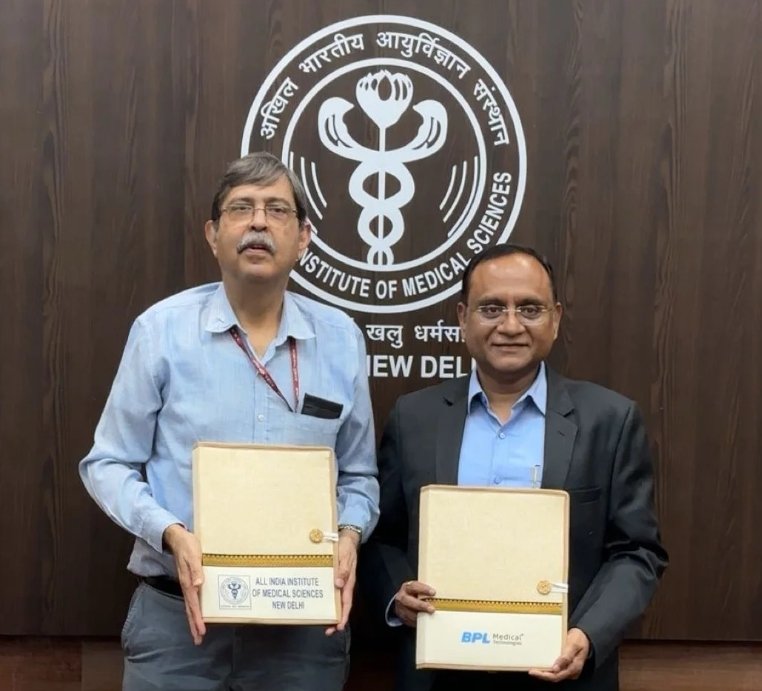
A major highlight of the event was India's first National Tribal Health Observatory between the Ministry of Tribal Affairs and the ICMR-Regional Medical Research Centre (RMRC), Bhubaneswar. A Memorandum of Understanding (MoU) was signed under Project Drishti for the establishment of the India Tribal Health Observatory (B-THO).
This landmark collaboration will institutionalise tribe-specific health surveillance, implementation research, and research-induced disease elimination initiatives in tribal districts of the country, which will also address the long-standing national gap in tribal-specific health data, analytics, and policy evidence.
The MoU with ICMR-RMRC will facilitate the development of a secure digital tribal health monitoring platform, which will include dashboards, GIS-enabled analytics, and periodic tribal health products. It will also enable dissemination of disease-specific implementation research in line with the India Tribal Family Health Survey (BTFHS) and national programmes such as the National Tuberculosis Elimination Programme (NTEP) and the National Centre for Vector Borne Disease Control (NCVBDC). Additionally, this collaboration will support capacity building of state and district health systems, as well as provide sensitisation and referral-oriented training for tribal vaidyas.