India-Japan collaboration puts home blood pressure monitoring in focus as hypertension burden grows
November 14, 2026 | Saturday | News | By Narayan Kulkarni
With hypertension affecting nearly three in 10 people in India, Dr Pravin G U, Principal, Sri Chamundeshwari Medical College, highlights the growing role of home blood pressure monitoring, preventive healthcare and technology-led interventions in strengthening hypertension management
India and Japan have an opportunity to deepen healthcare collaboration in home blood pressure monitoring (HBPM) as both countries confront the growing challenge of hypertension and cardiovascular diseases. While Japan has made significant progress in integrating home blood pressure monitoring into routine healthcare, India is increasingly recognising its importance in improving early detection, treatment adherence and long-term disease management.
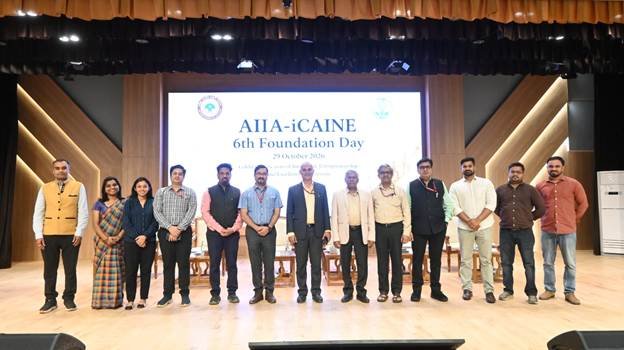
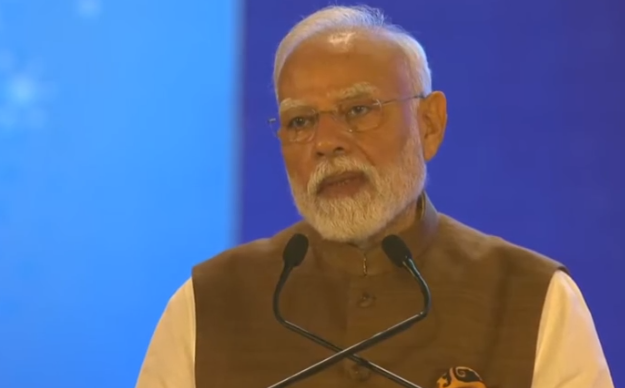
The convergence of these priorities was highlighted by Dr Pravin G U, Principal, Sri Chamundeshwari Medical College, Hospital and Research Institute (SCMCH&RI), Ramanagara, Karnataka, during his presentation at an interactive session on home blood pressure monitoring awareness, organised at the institution with participation from Omron Healthcare representatives from Japan and India.
Dr Pravin drew parallels between the healthcare challenges facing India and Japan, emphasising how Japan's experience in rebuilding its healthcare and industrial capabilities after the Second World War offers lessons in sustained public participation, institutional commitment and technology adoption. He suggested that similar collective efforts would be necessary for India to address its hypertension burden.
The presentation brought attention to an emerging opportunity for India: moving blood pressure management beyond hospital visits and making regular monitoring an integral part of household healthcare.
India's hypertension burden calls for a stronger monitoring ecosystem
According to figures cited by Dr. Pravin in his presentation, hypertension prevalence in India is estimated at 27.2 to 30 per cent. In Karnataka, the reported prevalence was 26.9 per cent among men and 25 per cent among women.
He also highlighted findings from school-level surveys in Karnataka, which reported hypertension prevalence of 31.3 per cent in Davanagere and 29.9 per cent in Mandya. Ramanagara district, in comparison, recorded 1.9 per cent. He noted that these figures required further clinical evaluation and re-surveillance to account for variations in growth patterns and measurement methods.
The findings also point towards the need to expand hypertension screening beyond adults. Similar to the growing attention towards juvenile diabetes, Dr Pravin stressed that juvenile hypertension must also become a public health priority.
India's hypertension challenge is compounded by low awareness. More than 50 per cent of people with hypertension may not know that they have the condition, partly because it often develops without noticeable symptoms.
Dr Pravin identified medication non-adherence, inadequate follow-up, therapeutic inertia, unequal access to healthcare and lifestyle factors as major reasons for poor hypertension control.
Excessive sodium consumption, sedentary behaviour, obesity, high body mass index and stress further contribute to the disease burden.
Japan's home BP monitoring experience offers lessons for India
One of the central themes of Dr Pravin's presentation was the potential of Japan's experience in home blood pressure monitoring to inform India's hypertension management strategy.
Home blood pressure monitoring offers several advantages over relying exclusively on measurements taken during clinical consultations. It helps identify white-coat hypertension, where readings are elevated in medical settings, and masked hypertension, where blood pressure appears normal in clinics but remains elevated outside them.
Regular measurements at home can provide healthcare professionals with a more representative picture of a patient's blood pressure profile and support better treatment decisions. The approach can also improve patient engagement by making individuals active participants in managing their condition.
The presentation highlighted home monitoring as a potentially stronger predictor of cardiovascular events and an economically feasible approach to long-term hypertension management.
For India, the opportunity lies not merely in increasing the availability of blood pressure monitors but in integrating them into primary healthcare, community screening and follow-up programmes.
From medical devices to preventive healthcare
Dr Pravin identified affordability as one of the important barriers to wider adoption of home blood pressure monitors in India.
He proposed that health insurance providers consider including validated home blood pressure monitors in preventive healthcare packages, alongside diagnostic devices such as glucometers.
His argument was that such an investment could benefit both patients and insurance providers. Regular monitoring could encourage better disease management, reduce the risk of complications and potentially lower long-term healthcare expenditure.
This approach could also create opportunities for the medical device industry to work more closely with insurance companies, hospitals and healthcare providers to expand access to home monitoring technologies.
However, wider device penetration would need to be supported by standardised monitoring guidance, patient training and appropriate clinical interpretation of readings. Without these components, simply distributing devices may not translate into better hypertension control.
India-Japan collaboration: Connecting technology with community healthcare
India's existing hypertension control framework provides a foundation for integrating home monitoring into community-level healthcare.
Dr Pravin referred to the Indian Hypertension Control Initiative (IHCI), launched in November 2017 through collaboration involving the Ministry of Health and Family Welfare, state governments and the World Health Organization (WHO).
India had adopted the target of achieving a 25 per cent reduction in hypertension prevalence by 2025. However, the target was not achieved, with the COVID-19 pandemic disrupting implementation efforts.
He highlighted the importance of strengthening health and wellness centres and involving frontline workers, including Accredited Social Health Activists (ASHAs) and Anganwadi workers, in hypertension awareness, screening and patient education.
The presentation also identified protocol-based combination therapy, timely adjustment of medication, improved treatment adherence and lifestyle modification as essential interventions.
For India and Japan, collaboration could extend beyond medical devices to include patient education, clinical protocols, community-based monitoring models and research into the effectiveness of home blood pressure monitoring.
Japan's experience in home monitoring, combined with India's expanding primary healthcare network and community health workforce, could provide a basis for developing scalable hypertension management approaches.
The emerging opportunity for the BPM market
The discussion also highlights the potential for growth in India's blood pressure monitoring (BPM) device market, particularly the home-use segment.
As awareness of hypertension increases, demand is likely to extend beyond traditional clinical blood pressure monitors to validated digital devices designed for regular household use.
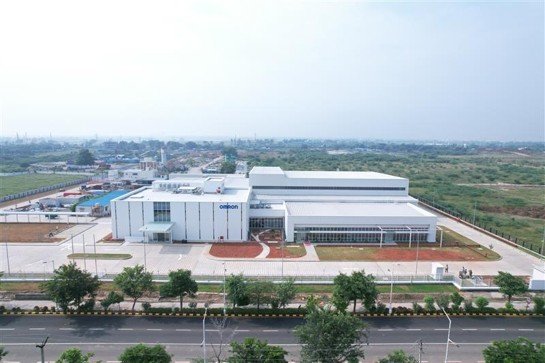
For manufacturers such as Omron Healthcare, the Indian market presents opportunities in device accessibility, consumer awareness, clinical validation, patient training and institutional partnerships.
However, the expansion of the market will depend on addressing three interconnected challenges: affordability, awareness and trust in measurement accuracy.
Dr Pravin's presentation underscored that the future of hypertension management will require a combination of accessible technology, stronger primary healthcare systems and active patient participation.
The broader India-Japan opportunity, therefore, lies in translating technological experience into scalable public health interventions. As hypertension increasingly affects populations across age groups, home blood pressure monitoring could become an important link between preventive healthcare, medical technology and community-based disease management.
Narayan Kulkarni
(narayan.kulkarni@mmactiv.com)