BITS Pilani Goa researchers develop pharmaceutical polymer-based bioink
August 25, 2026 | Tuesday | News
Study demonstrates a single, affordable hydrogel for tissue engineering and 3D-printed chewable tablets
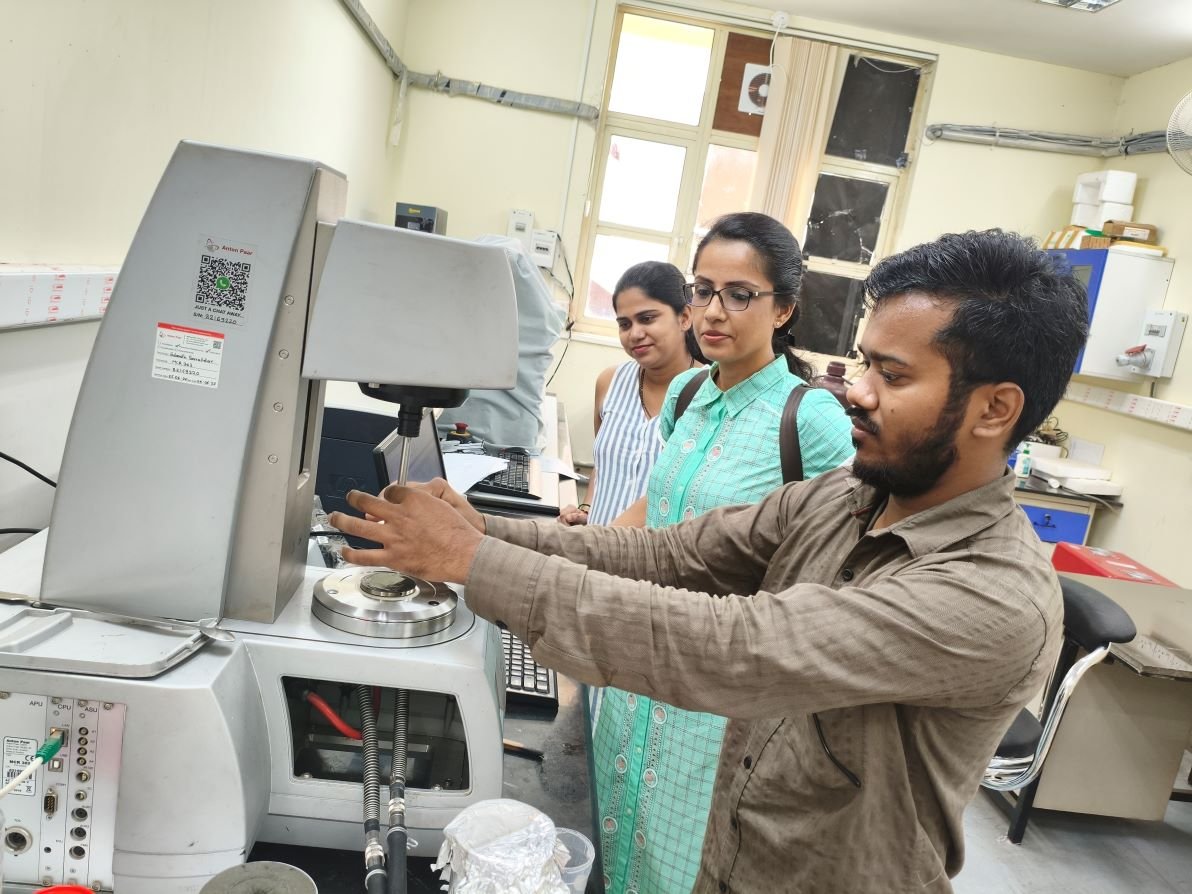
Researchers at the Birla Institute of Technology and Science (BITS) Pilani, K.K. Birla Goa Campus, have developed a pharmaceutical polymer-based hydrogel for 3D printing using extrusion-based method which has the potential to be used for skin tissue engineering and customised drug delivery.
The study explores the use of pharmaceutical grade polymers, such as starch, maltodextrin and sodium alginate, to create hydrogels that display the desired properties needed to be 3D printed. The method could help to solve some of the issues with traditional bioinks: material variability, safety, high costs, and regulatory approvals.
The researchers formulated a hydrogel designed to exhibit the flow and recovery properties necessary for extrusion-based 3D printing. The material demonstrated shear-thinning behaviour, enabling it to flow under the shear applied during printing and subsequently recover its structure after deposition. The study reported 87% thixotropic recovery, indicating its ability to retain the shape and structural integrity of the printed constructs. The researchers further demonstrated the versatility of the formulation by incorporating glimepiride into the hydrogel and using it to produce 3D-printed customised chewable tablets.
While the findings are promising, the study represents a research-stage demonstration rather than a clinically approved treatment or commercially available 3D-printed medical product.