Montana Governor invites Indian bioscience industry, academia to collaborate on R&D and market access
October 08, 2026 | Thursday | News
Speaking at a Bengaluru roundtable with Indian biotechnology and life-sciences companies during his India visit on October 7
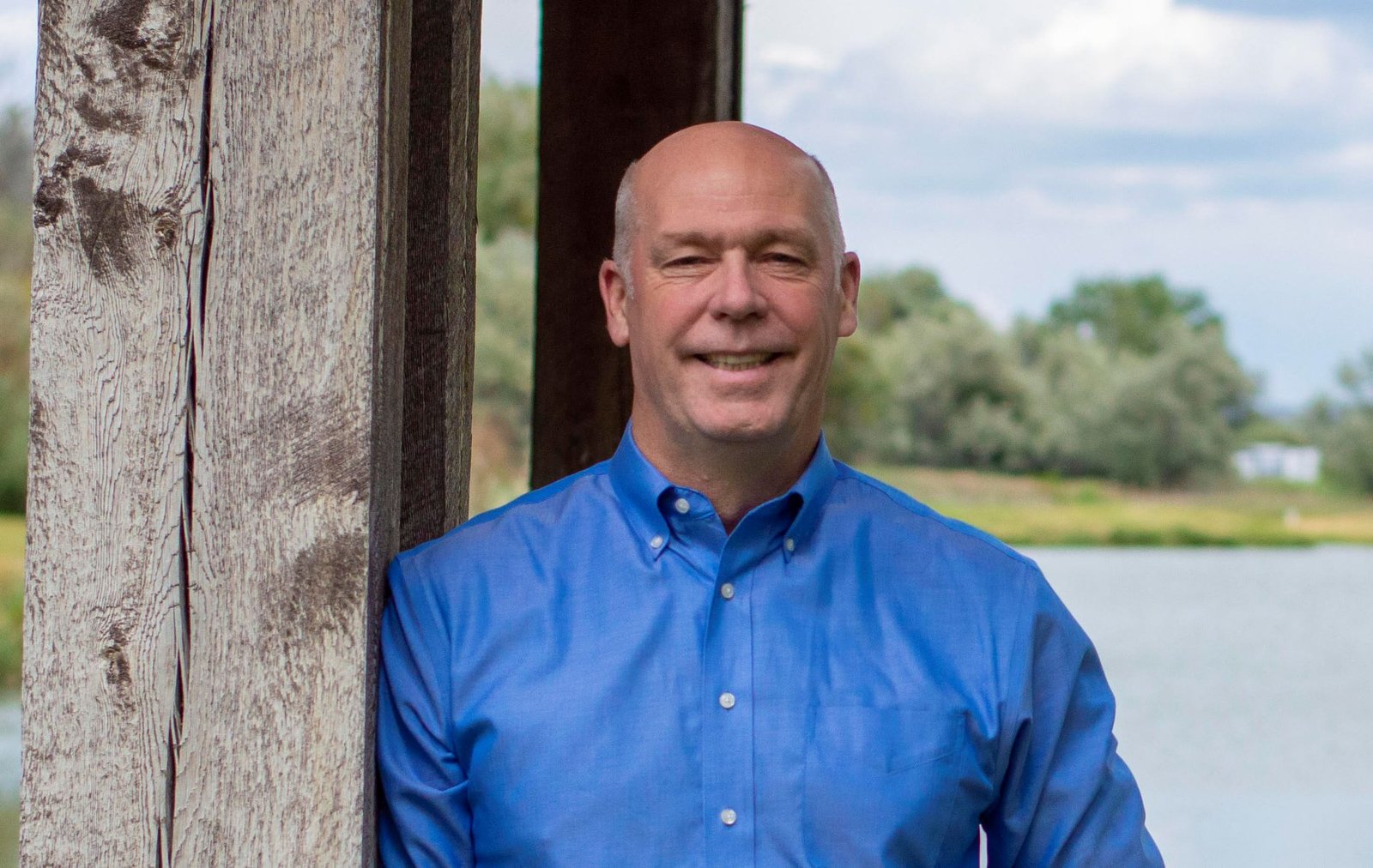
Montana Governor Greg Gianforte has invited Indian bioscience companies, research institutions and academia to explore partnerships with the US state in research and development, manufacturing, clinical translation and market access, positioning Montana as a potential gateway for Indian life-sciences companies seeking entry into North America.
Speaking at a Bengaluru roundtable with Indian biotechnology and life-sciences companies during his India visit on October 7, Gianforte highlighted the rapid transformation of Montana from an agriculture-led economy into an emerging hub for bioscience, advanced manufacturing, photonics and quantum technologies.
“Montana is a gateway to North America for Indian companies,” Gianforte said, stressing the state's emphasis on building long-term relationships rather than transactions. He invited Indian companies to work directly with Montana's companies, universities and research institutions to develop mutually beneficial collaborations.
According to Gianforte, bioscience is currently Montana's fastest-growing industry sector, with the state ranking sixth in the US for bioscience growth over the past five years. He pointed to the presence of major research and manufacturing capabilities, including GSK vaccine manufacturing operations, a National Institutes of Health infectious disease research laboratory and Rocky Mountain Labs, one of only 11 bioscience Level 4 laboratories in the US.
He also highlighted Montana State University, which he described as a major research partner, with more than $300 million in annual research and development spending. Gianforte said Montana's research institutions and the state Department of Commerce were ready to facilitate introductions and partnerships for Indian companies.
The Governor particularly highlighted opportunities in medical treatments and medical devices, saying Montana could help companies accelerate their path towards the North American market. He also drew attention to Montana's regulatory environment, including its “right to try” framework, which he said was designed to accelerate access to certain investigational treatments once safety requirements are met.
Gianforte's invitation comes as Indian biotechnology companies increasingly look towards the US for clinical development, regulatory approvals, manufacturing and commercial expansion. Several Bengaluru companies at the roundtable are already pursuing US market opportunities across cell and gene therapy, precision fermentation, genomics, medical devices, oncology, drug development and digital health.
The Governor also emphasised the importance of university-industry collaboration. Indian companies at the meeting expressed interest in working with Montana's academic and research ecosystem on areas including translational research, clinical trials, infectious diseases, cancer biology and medical technologies.
Gianforte said Montana was open to hosting Indian companies and connecting them with relevant businesses, universities and institutions. “We'd love to host you and introduce you to people in several places so that you can form your own relationship directly with Montana as a gateway into the North American marketplace,” he said.
The discussions also reflected opportunities beyond healthcare, including agriculture, bio-based manufacturing and value-added products. Gianforte noted the strong historical connection between Montana's agriculture economy and its emerging technology sectors, while participants from India highlighted potential collaboration in bio-ingredients, precision fermentation, plant proteins and agricultural biotechnology.
The Governor endorsed the action-oriented approach proposed by the Association of Biotechnology Led Enterprises (ABLE) to convert the dialogue into concrete commercial and research partnerships. ABLE proposed developing a “bio-bridge” between Montana and India, with an initial objective of bringing together companies from both sides and creating opportunities for business collaboration within 90 days.
Gianforte said he hoped the Bengaluru meeting would mark the beginning of a long-term relationship between Montana and India's bioscience ecosystem, rather than remain a one-off engagement.
Narayan Kulkarni
narayan.kulkarni@mmactiv.com