CDSCO gives nod to world's first regulatory-approved AI for retinopathy of prematurity screening
November 20, 2026 | Friday | News
Remidio and Narayana Nethralaya Eye Institute’s KIDROP programme jointly developed MediosHI ROP AI
Bengaluru-based Remidio Innovative Solutions has received approval from India's Central Drugs Standard Control Organisation (CDSCO) for MediosHI ROP AI. For the first time in the world, a regulator has approved an artificial intelligence (AI) to support screening for retinopathy of prematurity (ROP), a leading cause of preventable childhood blindness.
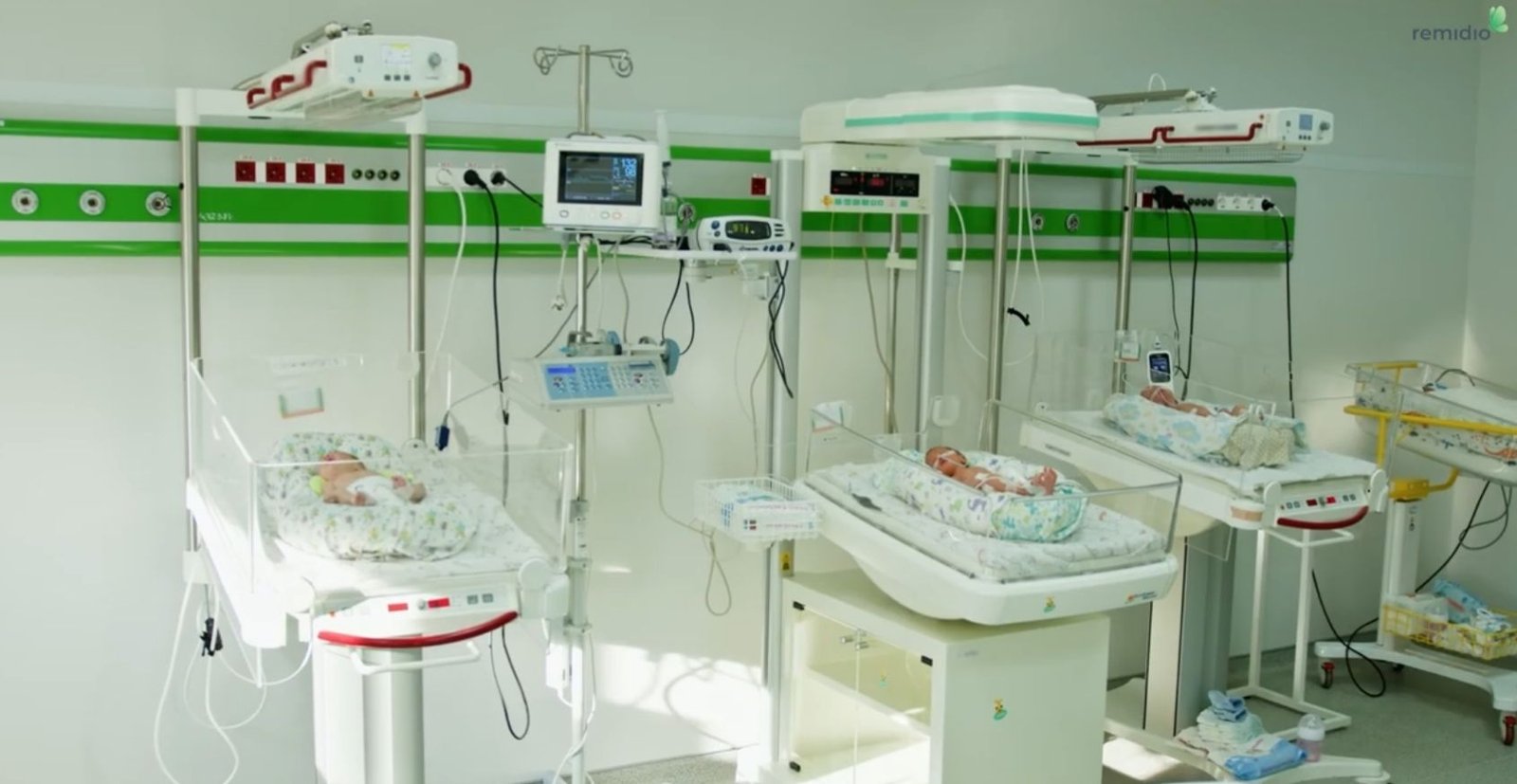
Remidio's offline MediosHI ROP AI screens premature babies for ROP and plus disease at the bedside, flagging those who need a specialist's attention, so no baby goes blind for the lack of timely screening. For a premature baby, time is short. ROP can become sight-threatening within weeks of birth, and a baby who misses timely treatment can lose their sight for life.
The AI works offline at the bedside and is device agnostic, reading images from Remidio's Insta Neubo 130 and from other ROP cameras. A trained nurse or technician images the baby's retina and gets an immediate AI read. An ophthalmologist then reviews the images remotely and decides the next step. Screening can now reach units that specialists rarely visit.
India has more premature births than any other country, an estimated 3.02 million in 2020 [2]. At-risk babies need repeated eye examinations over several weeks, which adds up to millions of examinations every year. India has fewer than 300 ROP specialists, roughly one for every 15,000 premature babies born each year, and most are in large cities. In a 2017 study of four district newborn units, only 18% of eligible babies were screened even once.
Remidio and Narayana Nethralaya Eye Institute’s KIDROP programme jointly developed MediosHI ROP AI with funding from the Biotechnology Industry Research Assistance Council (BIRAC), using KIDROP’s extensive bank of labelled retinal images. KIDROP is India’s first tele-ROP programme and one of the largest in the world.
In a recently concluded study of 600 infants imaged on multiple ROP cameras, the AI detected every case of type 1 ROP. Against a diagnosis agreed by a panel of ROP specialists, it correctly flagged 91% of babies with any stage of ROP (sensitivity) and correctly identified 87% of babies without it (specificity).