India’s Neurotech Startups Take Brain Science from Lab to Market
November 01, 2026 | Sunday | Features | By Vrushti Kothari
The Nobel Prize in Physiology or Medicine 2026 has laid the foundation of a new era in neuroscience in the form of optogenetics that provides opportunities for mapping the brain in a way that we could once only dream of. Amidst this positive scenario, many health tech startups in India are developing novel solutions to understand neurological health better and find out ways to tackle the growing burden of brain related disorders such as Alzheimer’s, Parkinson’s, dementia, stroke, migraine, autism, attention-deficit hyperactivity disorder (ADHD) etc. in the country. But are these developments enough? Let’s take a closer look.
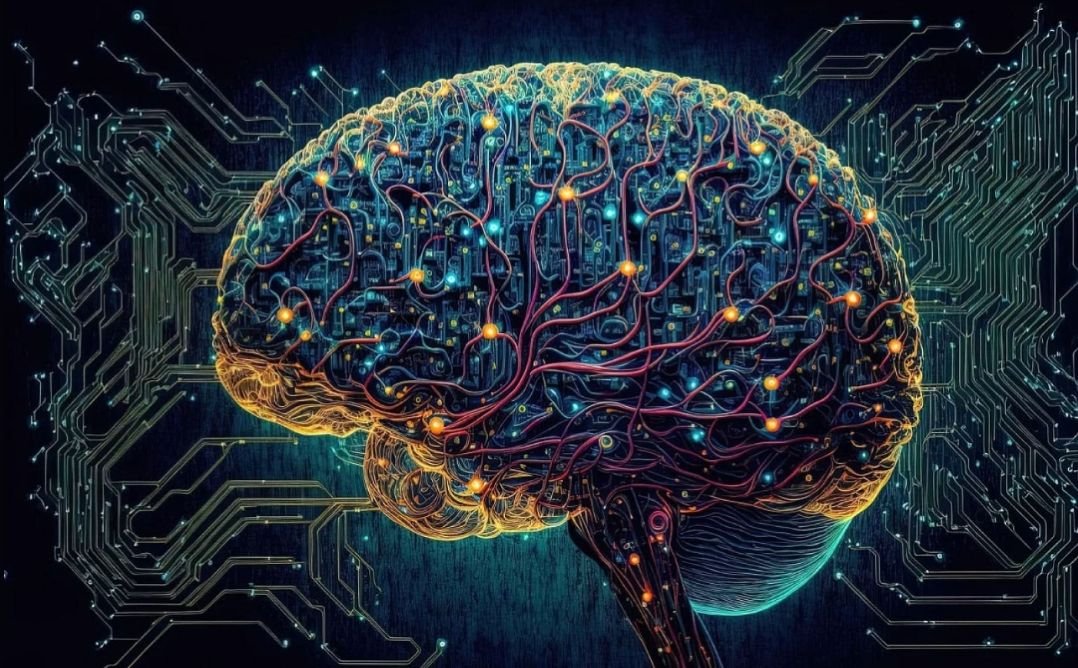
image credit- freepik
For decades, neuroscience in India largely remained within hospitals, universities and research laboratories. The brain was difficult to measure, harder to treat and even harder to translate into a scalable technology product. That equation is beginning to change. A new generation of Indian neurotechnology startups has started moving brain science out of the laboratory and into wearables, AI-powered diagnostics, neuromodulation systems and neurorehabilitation platforms.
This development is significant because India is facing a particularly large neurological-health challenge. Neurological disorders are no longer limited to older adults or a small section of the population. Across India, doctors are seeing a steady rise in conditions such as stroke, epilepsy, Parkinson's disease, dementia, multiple sclerosis, migraine and other brain-related conditions.
For instance, the Global Burden of Disease (GBD) study shows that migraine has consistently ranked as the second overall cause of disability globally. Disturbingly, it affects more than 1.1 billion people around the world, which includes more than 213 million people in India each year, making it one of the most common neurological diseases recorded. On the other hand, experts say stroke, which was once considered a disease of old age, is now affecting many people in their 30s and 40s due to unhealthy lifestyles.
As a result, we see novel solutions and technologies entering the market, particularly developed by entrepreneurs and healthcare techperts (or technology experts), to address the growing brain healthcare crisis in the country.
Looking at a few examples, Delhi-based startup Marbles Health has designed a portable neuromodulation and electroencephalogram (EEG) treatment ecosystem. Priced at Rs 5 lakh per unit, the tool has been developed to help psychiatrists, neurologists, and rehabilitation specialists deliver a more measurable, monitored, and data-informed approach to brain health, and support a broader range of conditions, including addiction, eating disorders, and bipolar affective disorder (BPAD).
Another health-tech startup from Delhi is Gabify, which is focusing on building a platform dedicated to solving neurodevelopmental challenges in children. The startup has recently raised $175,000 in Pre-Seed funding round to advance AI driven neurodevelopmental care.
Another major development comes in the form of a brain‑monitoring wearable developed by Temple, a Gurugram-based company founded by Deepinder Goyal, the founder of Zomato and Eternal. It is a head‑mounted device that uses photoplethysmography (PPG)‑based BrainFlow technology to track changes in cerebral blood flow and is being developed under Goyal’s health‑research initiative, Continue Research.
At the centre, there is Mumbai-based startup Butterfly Learnings that has developed a patented eye-tracking autism screening technology, approved by the Central Drugs Standard Control Organisation (CDSCO). The company has recently secured funding worth Rs 65 crore, in its Pre-Series B funding round, to support its expansion from being predominantly focused on Maharashtra to other geographies in India, and to strengthen its digital and AI capabilities.
Further, BrainHap, in association with the Indian Institute of Technology (IIT) Bombay and Aerobott, has launched NeuroCalm 42, a revolutionary brain-mapping technology designed to analyse students’ cognitive skills, focus levels, and emotional balance.
Adding on, Mumbai-based Ivory, an early-stage brain health startup, has recently garnered national attention with the release of India’s first-of-its-kind Brain Health Report. According to the report, approximately 1 in 4 participants reported suffering from psychological concerns such as anxiety, depression, Post-Traumatic Stress Disorder (PTSD) and mild cognitive impairment. The startup has also raised $1 million in fresh funding this year.
Down South, Bengaluru-based Centre for Cellular and Molecular Platforms (C-CAMP) and the National Institute of Mental Health and Neurosciences (NIMHANS), have joined hands to set up Centre for Bio-entrepreneurship in Neurosciences and Mental Health, to nurture and promote deep science-driven ventures in the field of neurosciences and mental health.
NIMHANS has also partnered with IIIT Bangalore to launch a dedicated neurotech incubator, focusing on mental health technology. This initiative, known as DEEPAS (Deep Engagement & Encouragement Programme for Agile Startups), aims to accelerate research-driven solutions in brain and neurological disorders, bringing together startups and medical professionals to explore innovative solutions in areas like stress management and brain wave monitoring.
Another development comes from xStep, a Bengaluru-based neurotechnology startup, that has developed a non-invasive neurorehabilitation platform for people living with neurological disorders such as cerebral palsy, stroke, spinal cord injury and multiple sclerosis.
Then there is BrainSight AI, another Bengaluru-based deep-tech neuroscience startup, which is on a mission to revolutionise the diagnosis and treatment of complex brain disorders through its innovative neuroinformatics platform, VoxelBox. Currently, BrainSightAI collaborates with over 40 leading hospitals across India, particularly in neurosurgery and radiology departments, focusing on brain tumour cases. The startup has recently secured $5 million in Pre-Series A funding round.
Likewise, Bengaluru-based neurotechnology startup Mave Health is building a wearable headset that supports everyday mental health and cognitive performance in just 20 minutes a day. Further, Bengaluru-based deep-tech startup Nexstem is scaling efforts for its Brain-Computer Interface (BCI) ecosystem, to simplify the complexities involved in brain signal analysis.
Speaking about the funding scenario of these neuro health tech startups in India, Suraj Nair, Assistant Vice President – Investments, Ankur Capital said, “Funding has increased for startups in BCI market, including Mave Health, Nexstem and more recently Temple looking at improving our understanding of the brain and enhancing focus, mood, and stress regulation among other factors. EEG as a technology to measure brain activity is becoming more mainstream now as they get integrated into wearable devices, consumer electronics. However, diagnosing neurological diseases will require building diagnostic tools that must undergo clinical trials with a clear regulatory approval process.”
On the other hand, Prashanth Reddy, Founder & Managing Director, Anvayaa Kin Care is of the opinion that, “India's neurotech space is moving, but unevenly. Real capital is coming in. But most of it is clustering around mental health anxiety, stress, focus, because that market is more visible and more commercially comfortable. Neurodegenerative conditions, especially dementia, are barely getting a look. India is already the fourth-largest contributor to the global dementia burden. By 2050, we'll likely rank second globally in absolute cases. The innovation pipeline doesn't quite reflect that. The other problem nobody talks about enough- devices get built, but they don't reach the person who actually needs them i.e. the caregiver alone at home at 11 PM with a parent who no longer recognises them. That gap between technology and real-world care delivery is where the biggest opportunity sits. However, growth is real. What's encouraging is that Indian neurotech isn't just copying Western models; there's genuine India-first thinking, shaped by our constraints of cost, connectivity and caregiver availability.”
Undoubtedly, technology is reshaping the way we look at brain and neurological healthcare now. But these solutions will have to be better embedded into the public healthcare system throughout the country. India must urgently invest in specialist training, strengthen neurological services beyond major cities and integrate brain health into primary healthcare. As we celebrated World Mental Health Day on October 10, we must acknowledge the fact that without improving access to timely diagnosis and specialist care, millions of Indians will continue to face preventable disability and diminished quality of life despite advances in medical science and technology.
Vrushti Kothari
(vrushti.kothari@mmactiv.com)